
Copper fittings often fail because the wrong fitting type is specified for the application rather than because of the material itself. EN13348 copper fittings cover a surprisingly broad range of connection types, pressure classes, and installation methods and selecting between them determines whether a plumbing or HVAC system holds reliably for decades or develops leaks within the first inspection cycle.
This guide covers what EN13348 specifies, which fitting types exist under that standard, the technical parameters that separate them, how to match the right fitting to the right application, and where these fittings perform best across industrial and commercial settings.
What Are EN13348 Copper Fittings?
EN13348 defines the requirements for seamless round copper tubes for medical gases but in common industry usage, the term also covers copper alloy fittings complying with the broader EN standards for drinking water, HVAC, and gas distribution systems. These fittings carry copper alloy bodies that resist internal corrosion from potable water, resist dezincification in humid environments, and maintain leak-free joints at operating pressures up to 16 bar in compression form and higher in brazed configurations.
The standard mandates dimensional accuracy, material composition verification, and pressure testing before fittings leave production. Unlike generic copper fittings, EN13348-compliant components carry documented traceability which matters for medical gas systems, commercial building permits, and any installation subject to third-party inspection. When you specify EN13348 Copper Fittings from a certified EN13348 copper fittings supplier, the documentation follows the material.
Types of EN13348 Copper Fittings
Three primary fitting families cover residential plumbing, commercial HVAC, refrigeration circuits, and medical gas installations.
Compression Copper Fittings
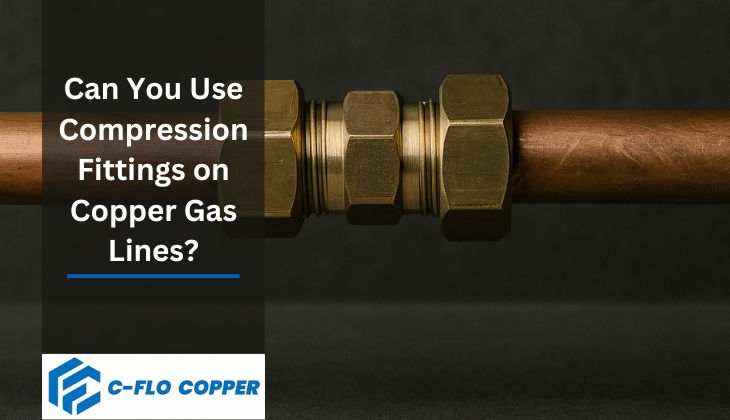
Compression copper fittings join copper pipe mechanically without heat. A brass nut compresses an olive against the pipe wall, creating a seal rated to 16 bar at up to 70°C. These suit domestic hot and cold water, accessible maintenance locations, and systems where an open flame is not viable during installation sprinkler retrofits, hospitals, and any space with solvent vapors. The limitation is straightforward: compression fittings loosen under vibration and require more internal diameter than equivalent brazed alternatives.
Solder Ring Copper Fittings
Solder ring copper fittings carry a pre-loaded ring of lead-free solder inside the fitting socket. Apply heat from a gas torch, the solder melts and flows into the joint gap by capillary action, and the connection seals permanently at rated working pressure. No flux application is needed, which speeds installation and removes one source of error. These fittings handle operating pressures above 16 bar when brazed correctly and suit heating systems, steam lines below 110°C, and refrigeration circuits where compression fittings would fatigue under continuous pressure cycling.
Directional and Branch Fittings
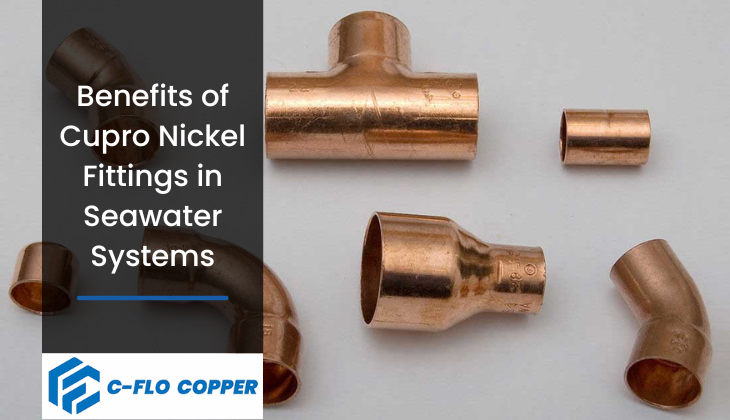
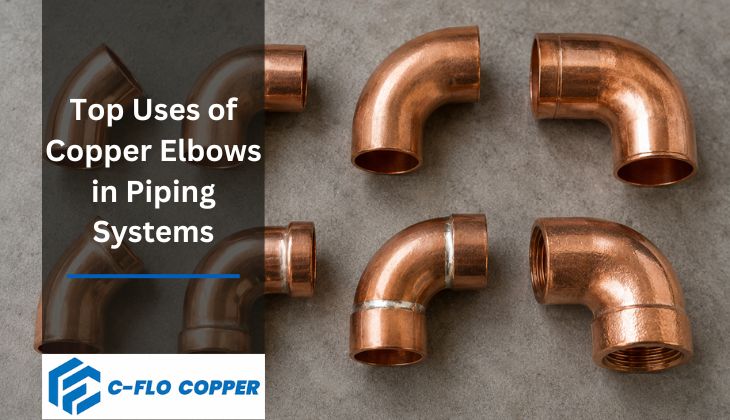
Copper elbow fittings, copper tee fittings, and copper coupling fittings appear in all three joining methods compression, solder ring, and end-feed allowing directional changes, branch connections, and pipe extension within the same material family. Copper elbow fittings handle 90° and 45° direction changes; copper tee fittings split or join flow at a branch; copper coupling fittings connect straight pipe runs or adapt between pipe sizes.
Technical Specifications of EN13348 Copper Fittings
Copper fittings for medical gas systems, HVAC copper fittings, and refrigeration copper fittings each carry different specification requirements.
Key Parameters to Verify Before Specifying:
- Working Pressure: Compression fittings 16 bar maximum at 70°C. Brazed solder ring up to 40 bar depending on pipe schedule and temperature.
- Temperature Range: Standard compression fittings −20°C to 70°C. Brazed fittings −196°C to +200°C in oxygen-compatible constructions.
- Material Composition: CW617N dezincification-resistant brass for bodies; copper alloy per EN 1254 for solder ring types.
- Standards Compliance: EN 1254-2 for compression; EN 1254-1 for capillary brazed; EN 13348 for medical gas copper tube compatibility.
- Oxygen Compatibility: Medical gas and refrigeration copper fittings require internal surfaces free of grease and particulate EN 13348 specifies cleaning protocols that standard plumbing fittings do not require.
How to Select the Right Copper Fittings
Match fitting type to three factors: operating pressure, ambient temperature at the installation point, and whether the system will face vibration or pressure cycling during normal operation.
Water and Heating Systems
For domestic cold and hot water below 70°C and 16 bar, compression copper fittings install without tools beyond a spanner and allow later disassembly if pipe rerouting becomes necessary. For heating circuits operating above 70°C, choose solder ring fittings and verify the solder alloy is lead-free per current EU regulations.
HVAC and Refrigeration Systems
Refrigeration copper fittings demand brazed connections only refrigerant systems reach pressures that compression olives cannot seal reliably over time. HVAC copper fittings for large commercial systems similarly favor brazed or mechanically pressed connections over compression.
Medical Gas Infrastructures
EN 13348 specifies seamless copper tubes for medical gas and vacuum systems. These tubes are commonly used alongside compatible copper alloy fittings manufactured to relevant EN 1254 standards, ensuring a complete and compliant piping system.
Applications of EN13348 Copper Fittings
Commercial and Residential Plumbing
Residential and commercial plumbing consumes the largest volume of compression and solder ring copper fittings. HVAC systems heating, ventilation, air conditioning use copper tee fittings and elbow fittings throughout chilled water and heating water circuits where corrosion resistance and long service life matter more than upfront material cost.
Refrigeration and Process Cooling
Refrigeration copper fittings appear in cold room pipework, commercial kitchen refrigeration, and industrial process cooling.
Medical Gas and Specialized Systems
Medical gas systems in hospitals and clinics specify copper fittings for medical gas systems that comply with HTM 02-01 in the UK and equivalent standards elsewhere, where oxygen-clean assembly and pressure testing to 1.5× working pressure are mandatory before commissioning.
Industrial Distribution Networks
Industrial copper pipe fittings also appear in gas distribution, compressed air networks, and solar thermal collectors, wherever corrosion resistance and the ability to join dissimilar section sizes without galvanic risk makes copper the specification default.
Conclusion
Compression and solder ring fittings each cover distinct pressure, temperature, and installation scenarios under the EN13348 family. Compression handles low-pressure accessible locations where future disassembly is likely. Solder ring covers heating and refrigeration circuits where permanent leak-free connections matter more than installation speed.
Match the fitting type to the application conditions not to the installation crew’s preference and the system performs without issue for 25–40 years of normal service life. For medical gas copper fittings or refrigeration copper fittings, always source from a certified EN13348 copper fittings supplier carrying the relevant third-party test documentation.
Contact RK Copper & Alloy LLP to confirm fitting type, pressure class, and tube compatibility for your specific project requirements.
By C-Flo Copper | January 14, 2024