
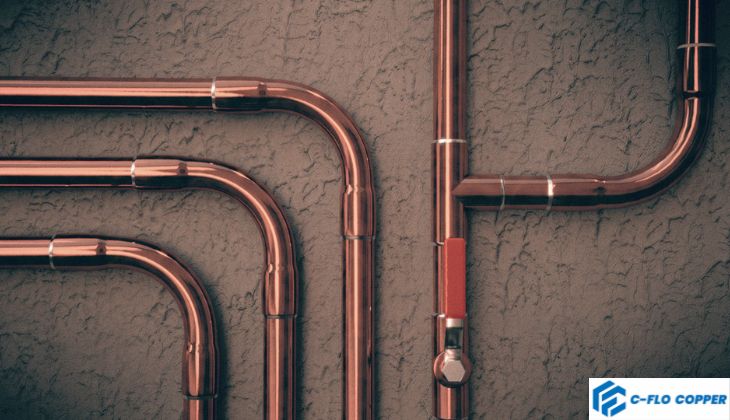
Copper pipes have become an integral part of modern construction, particularly when embedded in concrete. Known for their durability, corrosion resistance, and superior thermal conductivity, copper pipes are often the material of choice for various applications in residential, commercial, and industrial projects. At C-Flo Copper, we specialize in high-quality copper pipes designed to meet the demands of such applications. Below, we explore the detailed uses of copper pipes in concrete, emphasizing their critical role in infrastructure and utility systems.
1. Copper Pipes for Radiant Heating Systems
One of the most common uses of copper pipes in concrete is in radiant floor heating systems. Copper pipes are embedded within the concrete slab to circulate heated water or fluids, which evenly warms the surface above. Copper’s excellent thermal conductivity ensures efficient heat transfer, reducing energy consumption while maintaining consistent indoor temperatures. These systems are ideal for homes, offices, and industrial spaces where comfort and energy efficiency are paramount.
2. Copper Pipes for Chilled Water Cooling
Just as copper pipes are used for heating, they are also employed in chilled water cooling systems. In concrete buildings, copper pipes circulate cooled water to lower indoor temperatures. The pipes’ durability and resistance to corrosion make them a reliable option for long-term cooling infrastructure. This application is widely used in commercial buildings, large residential complexes, and data centers, where maintaining a specific temperature range is crucial.
3. Copper Pipes for Plumbing in Concrete Structures
Copper pipes are frequently embedded in concrete for plumbing systems, including water supply and drainage. They are preferred for their ability to withstand high pressure, resist leaks, and avoid chemical reactions with water. Their longevity ensures that plumbing systems embedded in concrete can remain operational for decades without significant maintenance, reducing costs and downtime for property owners.
4. Copper Pipes for Underfloor Cooling Systems
In regions with hot climates, underfloor cooling systems use copper pipes embedded in concrete slabs. These systems circulate chilled water through the pipes, which absorbs heat from the surrounding concrete, creating a cooler indoor environment. Copper’s thermal efficiency and durability make it the ideal material for this innovative cooling solution, commonly seen in modern energy-efficient buildings.
5. Copper Pipes in Concrete Foundations for Grounding Systems
Copper pipes embedded in concrete are often used as part of electrical grounding systems in buildings. The high conductivity of copper makes it an excellent material for transferring electrical current safely into the ground, protecting the structure from lightning strikes or power surges. This application is particularly common in industrial facilities and high-rise buildings.
6. Copper Pipes for Fire Suppression Systems
Concrete buildings often feature fire suppression systems that rely on copper pipes. These pipes are embedded in the structure to transport water or fire-retardant chemicals to sprinkler systems. Copper’s ability to withstand high temperatures and pressure ensures that the fire suppression system remains functional during emergencies, providing an added layer of safety.
7. Copper Pipes for Gas Distribution in Concrete
Copper pipes are also used for gas distribution systems embedded in concrete, such as for natural gas or propane. Their resistance to corrosion and leakage ensures the safe and efficient transportation of gases. This application is widely seen in residential, commercial, and industrial construction projects, where safety and reliability are paramount.
8. Copper Pipes for Snow Melting Systems
In regions with heavy snowfall, copper pipes embedded in concrete are used in snow-melting systems for driveways, sidewalks, and outdoor areas. These systems circulate heated water through the pipes, melting snow and ice on the surface above. The durability and thermal conductivity of copper make it the perfect material for such applications, ensuring consistent performance even in harsh winter conditions.
9. Copper Pipes for Industrial Process Cooling
In industrial settings, copper pipes embedded in concrete are often used for process cooling applications. These systems manage the heat generated by heavy machinery or chemical reactions by circulating coolant through copper pipes. The combination of copper’s corrosion resistance and heat transfer properties ensures optimal cooling performance, even in demanding environments.
10. Copper Pipes for Geothermal Systems
Geothermal heating and cooling systems often involve copper pipes embedded in concrete. These pipes transfer thermal energy between the building and the earth, leveraging copper’s thermal conductivity for efficient energy exchange. This eco-friendly application is gaining popularity in green construction projects, as it significantly reduces energy consumption and greenhouse gas emissions.
Conclusion
The uses of copper pipes in concrete are vast and critical to modern construction, offering unparalleled reliability, efficiency, and performance in various systems. From radiant heating and cooling to plumbing and industrial applications, copper pipes continue to be the preferred choice for engineers and builders worldwide.
At C-Flo Copper, we take pride in supplying top-quality copper pipes designed to meet the needs of diverse applications. For more information about our products and how they can enhance your construction projects, contact us today.