The COVID-19 pandemic exposed a painful gap in hospital infrastructure worldwide. Most facilities lacked adequate systems to physically contain airborne pathogens between zones. Medical isolation valves sit at the centre of fixing that gap. These components regulate gas and fluid flow across critical boundaries in a healthcare building, and when they fail or go missing, infections travel freely through shared pipework. Understanding how they work, where they are installed, and why they matter gives hospital managers a far clearer path toward effective, lasting infection control. The problem is rarely awareness of pathogens themselves. It is the absence of physical infrastructure that stops them from moving freely between patient areas. Valves are that infrastructure, and getting the specification right from the start determines how well a facility actually performs under outbreak conditions.
What Are Medical Isolation Valves?
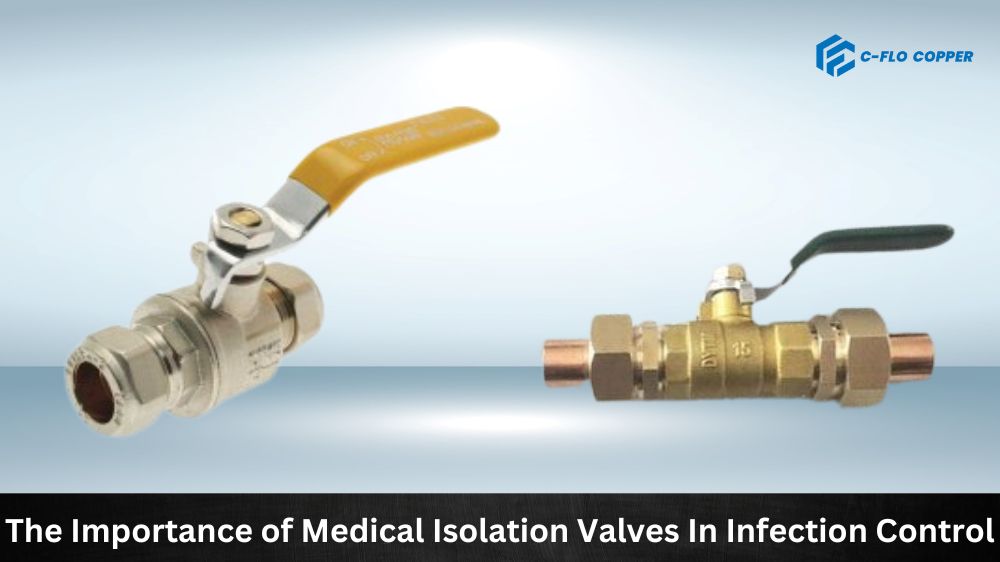
Medical isolation valves shut off or redirect the flow of gases and fluids within a hospital’s piped supply network. Most carry certification under ISO 7396-1 or HTM 02-01 standards, which set minimum requirements for materials, pressure ratings, and leak integrity in medical gas systems. Brass and stainless steel remain the most common body materials, with operating pressures ranging from 4 bar for oxygen lines to 7 bar in compressed air circuits.
Each valve is positioned at a zone boundary between an ICU corridor and a general ward, for instance, or between a surgical theatre and a sterile supply room. Closing the valve isolates that section of pipework without cutting supply to the rest of the building. That zone-level control prevents cross-contamination through shared infrastructure in a way that standard HVAC and drainage systems cannot replicate. Many modern configurations also include integral pressure gauges and test points, so biomedical engineers can verify full line integrity before reopening a section following decontamination. New hospital builds are dominated by quarter-turn ball-type isolation valves as they are fast-acting and seat reliably. Globe valves dominate older installations where throttling control is also a consideration as well as isolation.
Why Infection Control Is Critical in Healthcare Facilities
Hospital-acquired infections, known clinically as nosocomial infections, kill an estimated 1.4 million patients globally every year. MRSA, Clostridioides difficile, and Acinetobacter baumannii and other bacteria aerosols, contact with contaminated surfaces, or shared water or gas lines. Healthcare workers carry pathogens between zones simply by walking through corridors, making physical barriers inside the building’s infrastructure the last reliable line of defence when other precautions break down.
Infection control matters beyond individual patient safety. When outbreak zones go uncontained, hospitals face ward closures, regulatory action, and steep financial costs. In regions where antibiotic-resistant organisms circulate at higher rates, those costs scale further and faster. Effective zoning through isolation valves keeps outbreaks confined from the first confirmed case, cutting both patient risk and operational disruption. No software protocol or cleaning schedule replaces the physical separation that a correctly specified valve provides at a zone boundary.
How Medical Isolation Valves Help Prevent Infection Spread
Pathogens travel through hospital pipework in two primary ways: contaminated condensate accumulating in gas lines and backflow through shared water circuits. Isolation valves are used to shut off both routes at the zone boundary, preventing cross-contamination before it reaches patients or staff on the other side of the wall.
During a respiratory outbreak, ward managers can isolate the gas supply to a single bay within minutes, keeping the rest of the unit fully operational. Maintenance teams then decontaminate the affected section without shutting down oxygen or medical air to the entire floor. That targeted response matters most during high-census periods, when closing a whole ward is not clinically or operationally viable. In surge scenarios during a pandemic or mass casualty event, isolation valves allow facility teams to bring new overflow zones online or take them offline without interrupting active treatment areas anywhere else in the building.
Routine infection control also depends on this infrastructure in ways that get overlooked during procurement planning. Isolation valves allow planned maintenance on individual pipe runs without system-wide shutdowns, which means deferred maintenance is no longer a reason to leave a section of pipework unchecked for months. They provide the dedicated airflow loops that negative-pressure isolation rooms require for aerosol-generating procedures. They also reduce the daily cleaning burden on ward staff by eliminating shared fluid pathways between zones. Fewer shared surfaces means fewer decontamination steps after each patient discharge, freeing clinical staff to focus on direct care.
Uses of Medical Isolation Valves:
Medical Isolation Valves are used in a variety of medical applications, including:
- Regulating the flow and pressure of fluids in hospital lines and medical equipment
- Shutting off oxygen or other gases during critical operations or treatments
- Isolating contaminated areas while performing laboratory tests on certain substances
- Providing doctors with easy access to vital drugs or medications when needed
- Preventing contamination by controlling the movement of air within different rooms or wards.
Conclusion
Medical isolation valves rarely appear in infection control budgets, yet they perform more structural containment work than almost any other item on a hospital’s procurement list. Most facility boards direct spending toward PPE, surface disinfectants, and air filtration while the underlying pipework infrastructure remains underfunded year after year. A single correctly specified isolation valve at a zone boundary does more to contain a respiratory outbreak than dozens of additional cleaning cycles in shared corridors.
C-Flo Copper manufactures copper pipe systems and PVC-coated copper pipes built to meet the material requirements for medical gas infrastructure across all hospital grades. With broad inventory holdings and a distribution network covering India and international markets, C-Flo Copper supports projects of any size, from single-ward upgrades to full hospital builds. Contact C-Flo Copper to discuss pipe specifications and material grades for your next healthcare infrastructure project.
By C-Flo Copper | March 25, 2024