Piping systems in buildings need to change direction frequently, whether going around structural elements, connecting fixtures on different walls, or routing lines across floors. Fittings handle these direction changes, and copper elbows are among the most widely used for this job. As buildings grow more complex, the demand for fittings that hold up under pressure, heat, and daily use keeps rising. Sourcing from a reliable copper elbow manufacturer directly affects how long a system performs without issues.
What Are Copper Elbows?
Definition and Function
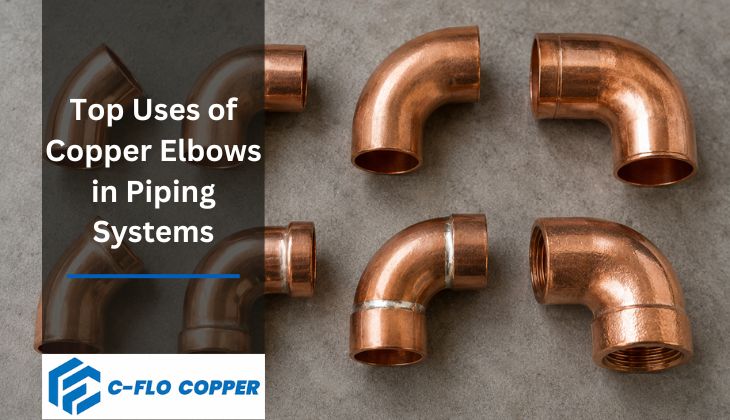
A copper elbow is a pipe fitting that redirects flow between two sections of pipe. The most common angles are 45°, 90°, and 180°, each suited to different installation needs.
Types of Copper Elbows
Long radius elbows allow gradual turns; short radius ones work in tight spaces. Street elbows have one male and one female end. Connection types include sweat (soldered), compression, and threaded.
Key Features
Copper elbows resist corrosion, conduct heat well, and have a service life that regularly exceeds 50 years when properly installed.
Advantages of Using Copper Elbows in Piping Systems
Durability and Longevity
Copper does not rust. It holds up against moisture and mild chemical exposure far better than iron or mild steel, which means fewer replacements over the life of a building.
Excellent Thermal Performance
Copper handles both hot and cold water without degrading. Joints do not cause heat loss, which matters in systems like solar water heaters.
Leak-Proof and Secure Connections
Soldered or brazed copper joints are strong and tight. They handle pressure fluctuations without separating, which is a clear advantage over push-fit plastic fittings.
Eco-Friendly and Recyclable
Copper is fully recyclable with no loss in quality. Old copper fittings can be collected and reprocessed, which reduces material waste. For projects targeting green building certifications, this matters.
Top Uses of Copper Elbows in Residential Piping Systems
Plumbing Systems
Water supply lines change direction at every corner through walls and under floors. Kitchens, bathrooms, and utility areas all need multiple elbows per installation.
HVAC Systems
Refrigerant lines in home air conditioning operate under pressure and temperature variation. Copper elbows route these lines through wall cavities reliably.
Gas Line Installations
In some applications, copper is approved for gas piping, particularly for natural gas. The fittings need to be reliable since any failure in a gas line is serious. Copper elbows meet that requirement in approved configurations.
Water Heating Systems
Geyser and boiler connections face high temperatures and repeated thermal cycling. Copper holds up without warping.
Key Applications of Copper Elbows in Commercial Piping Systems
Industrial Plumbing Networks
Factories often have pipe systems with lots of bends. Copper elbows are a good choice because they are strong and can carry many types of fluids safely.
Commercial HVAC Systems
Large buildings use centralised air conditioning with long refrigerant and chilled water runs. Copper elbows are standard across these installations.
Fire Sprinkler Systems
Sprinkler systems need fittings that will not fail under sudden pressure surges. Corrosion resistance is also critical since these systems sit idle for long periods. Copper elbows are well-suited to this because they maintain integrity without regular maintenance.
Hotels, Hospitals, and Office Buildings
Multi-floor buildings supply water to hundreds of outlets. Copper elbows at each direction change maintain consistent pressure throughout.
Why Copper Elbows Are Preferred Over Other Materials
Comparison with PVC and Steel
PVC deforms under heat. They can deform or crack under thermal stress. Steel fittings are strong, but they corrode over time without treatment. Copper sits in between: it handles both heat and moisture well, without the maintenance overhead of steel.
Performance Under Extreme Conditions
Copper elbows work in outdoor, underground, and high-pressure environments. The material does not degrade under the conditions that affect alternatives.
Low Maintenance Requirements
A well-installed copper elbow generally does not need attention. There is no coating to reapply, no rust to treat, and no periodic replacement unless the system was improperly installed from the start.
Factors to Consider When Choosing Copper Elbows
Size and Dimensions
The elbow must match the pipe diameter exactly. A mismatch, even a small one, leads to leaks or weak joints. Standard metric and imperial sizes are available; it is worth confirming the specification before ordering.
Type of Connection
Soldered elbows are the most permanent option. Threaded ones are easier to disassemble for maintenance. Compression fittings are useful in locations where heat cannot be applied for soldering. The choice depends on the application and access requirements.
Quality Standards and Certifications
Look for fittings that conform to IS, BS, or ASTM standards, depending on the market and application. Certified fittings have been tested for pressure ratings, material composition, and dimensional accuracy.
Choosing the Right Copper Elbow Manufacturer
A dependable copper elbow manufacturer delivers fittings with consistent dimensions, the correct alloy composition, and all required certifications.
Installation Tips for Copper Elbows
Proper Measurement and Alignment
Make sure pipes are cut neatly and lined up correctly before soldering. If joints are out of alignment, they create stress points that can later lead to cracks or leaks when the system is pressurised.
Soldering and Joining Techniques
Clean the pipe and fitting surfaces before applying flux. Heat evenly and let the solder flow into the joint naturally. Overheating causes weak joints. Allow the fitting to cool before handling.
Maintenance and Inspection
Copper systems seldom require active maintenance, but brief periodic visual checks can help spot early corrosion or joint issues. In hard water areas, examine fittings every few years for signs of mineral build-up.
Common Challenges and How to Overcome Them
Corrosion in Harsh Environments
In very acidic or salty water, copper can rust and wear out more quickly. Coating any exposed pipes and regularly checking the water’s pH helps lower this risk a lot.
Scaling and Build-Up
Over time, mineral deposits from hard water can constrict the internal bore of the pipe. Installing a water softener or carrying out regular descaling helps keep this under control. It’s generally not a major problem in most municipal water systems, but it’s worth paying attention to in rural or industrial supplies.
Improper Installation Issues
Most issues with copper piping arise from poor installation rather than defective pipes. Choosing suitable materials, applying the proper level of heat, and relying on experienced plumbers greatly reduces the chance of these problems.
Future Trends in Copper Piping Systems
Green building requirements are driving higher demand for recyclable materials, and copper satisfies this criterion. Today’s smart buildings also depend on infrastructure that will stay dependable for many decades, and copper is well-suited to that role. At the same time, modern manufacturing methods are producing fittings with greater dimensional precision than older techniques could achieve.
Conclusion
Copper elbows are a dependable choice for piping in residential and commercial settings, delivering steady performance whenever the flow direction needs to change in water, gas, HVAC, or other industrial systems. The combination of corrosion resistance, thermal performance, and long service life makes them preferable to PVC or mild steel in most scenarios. Choosing a trusted copper elbow manufacturer is important to get fittings that perform consistently and reduce long-term maintenance costs.
By C-Flo Copper | June 16, 2026